“Brady, what do you actually do?”
It’s a question I’ve been asked more times than I can count.
And to be fair, it’s a reasonable question.
Because “video production” can mean quite a lot of things these days.
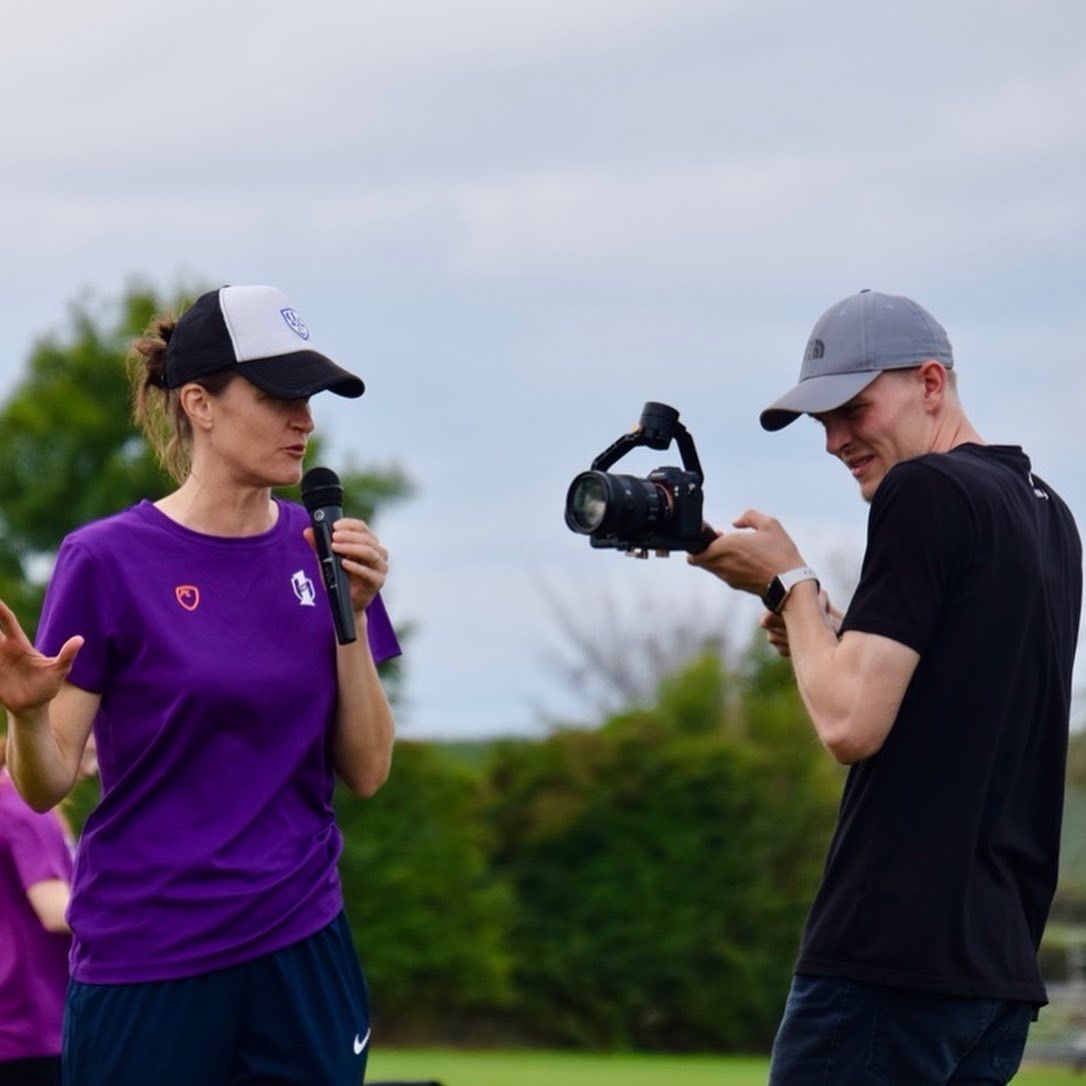
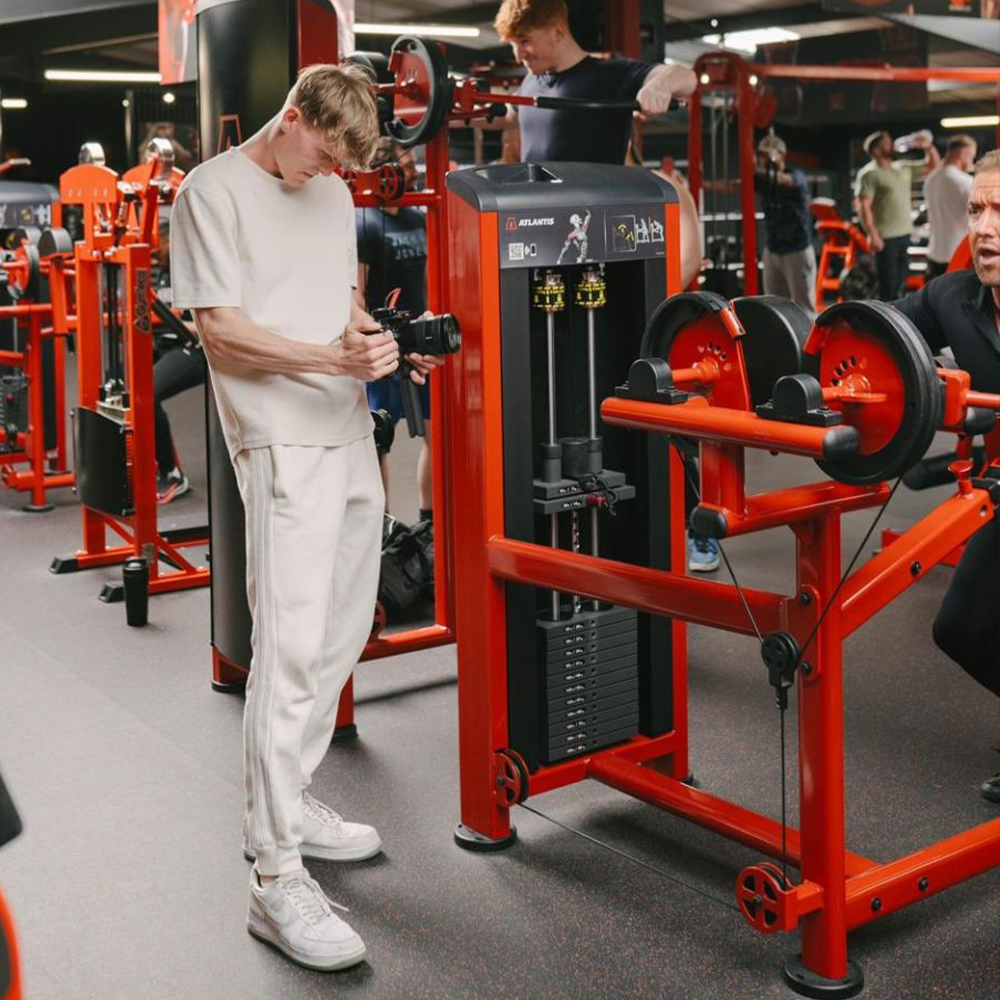
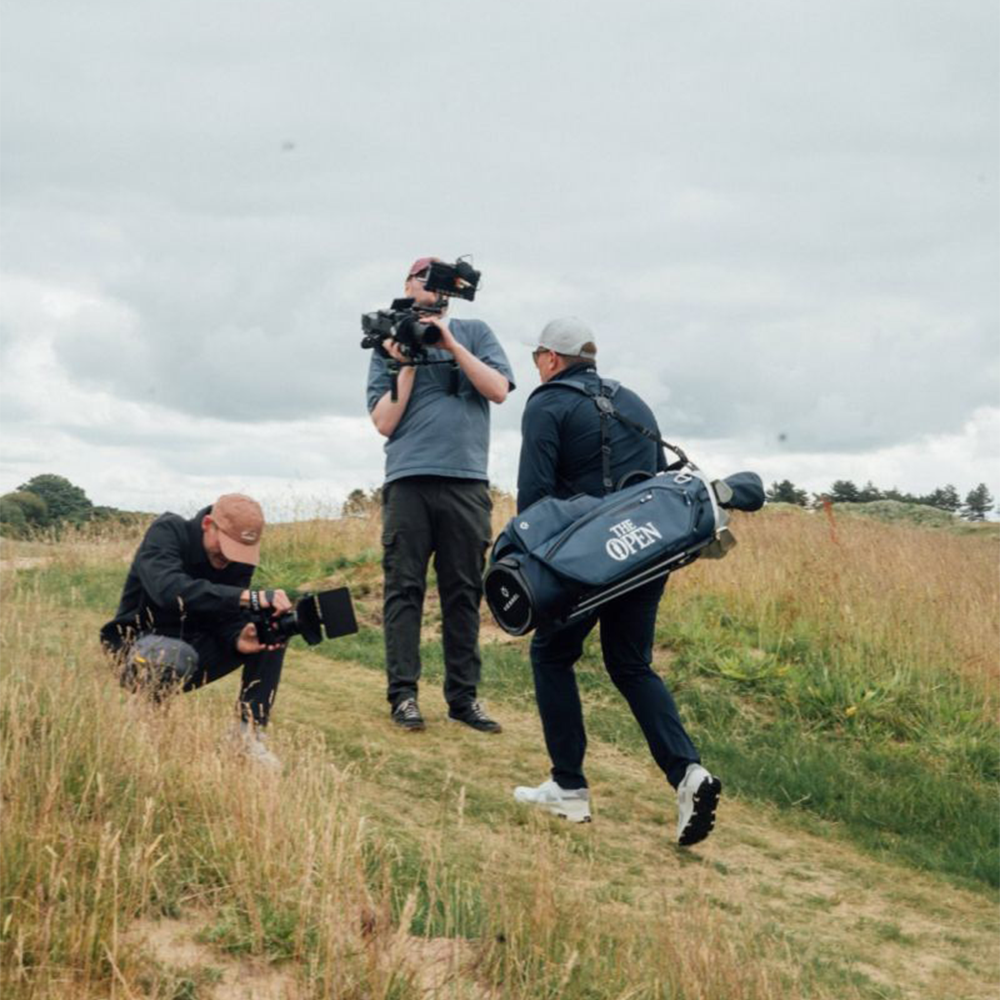
One day I might be filming a sports brand. The next I’m photographing an event. Then I’m designing graphics for a social campaign, editing interviews, planning a shoot or working with a client to figure out what the hell they actually need in the first place.
That last bit is probably more important than people realise.
Video production starts before the camera comes out
The obvious bit of video production is the filming.
Cameras. Lights. Microphones. B-roll. Drone shots. All the fun stuff.
But a good video project normally starts much earlier.
Before I pick up a camera, I want to know:
Who is this for?
What are we trying to communicate?
What should someone think, feel or do after watching it?
Those questions determine almost everything that comes afterwards.
There’s no point creating a beautiful three-minute film if nobody watching it understands what you're trying to say.
Then comes the creative bit
Once the objective is clear, the job becomes figuring out how to communicate it.
That might mean a scripted promotional film.
It might be an interview-led piece.
It could be social content, a product film, an event video, a brand story or something completely different.
Sometimes the best idea is the simplest one.
Sometimes you need to throw the kitchen sink at it.
The trick is knowing which is which.
Then we actually make the thing
This is where the production happens.
Planning the shoot.
Building a shot list.
Sorting locations.
Organising people.
Lighting.
Audio.
Cameras.
B-roll.
And, ideally, making sure nobody has forgotten the batteries.
I've worked on shoots where everything is meticulously planned and shoots where we've had to improvise because something inevitably goes sideways.
Both are part of the job.
In fact, good planning isn't about making everything predictable.
It's about creating enough structure that you have the freedom to deal with the unpredictable stuff.
Then comes editing
This is the bit people often underestimate.
You might come away from a shoot with hundreds of clips.
Hours of interviews.
Multiple camera angles.
Music.
Graphics.
Photographs.
Audio.
And somehow all of that needs to become a coherent story.
Editing isn't simply cutting clips together.
It's deciding what matters.
What doesn't.
When to let a moment breathe.
When to cut.
What needs to be shown rather than said.
And occasionally admitting that the really cool shot you were convinced was going to make the edit is actually completely unnecessary.
It happens.
The end product isn't always just a video
This is something I've increasingly built into the way I work.
A good production shouldn't necessarily result in one video.
It could result in:
- A main brand film
- Short-form social clips
- Photography
- Graphics
- Website assets
- Interview content
- Behind-the-scenes footage
- Vertical video
- Campaign content
One shoot can become an entire bank of useful content.
That's where production becomes much more valuable to a business.
You're not just buying someone to operate a camera.
You're buying creative thinking, production experience and a way of turning one investment into a collection of assets that can actually be used.
So, what does a video production company actually do?
Quite a lot, apparently.
But ultimately, the job is pretty simple:
Take an idea and turn it into something people want to watch.
The cameras are just one part of that.
The real value is everything that happens before, during and after the red recording light comes on