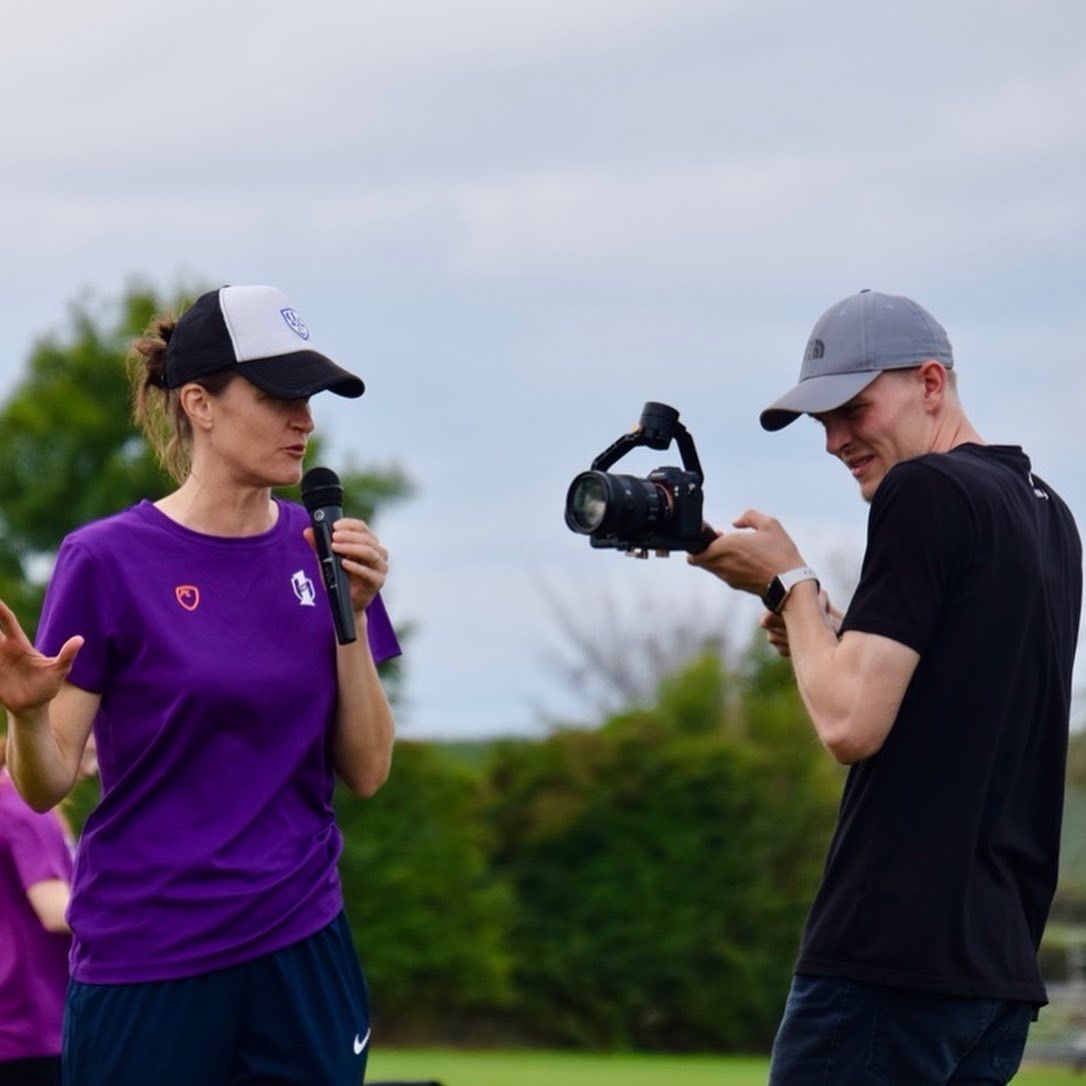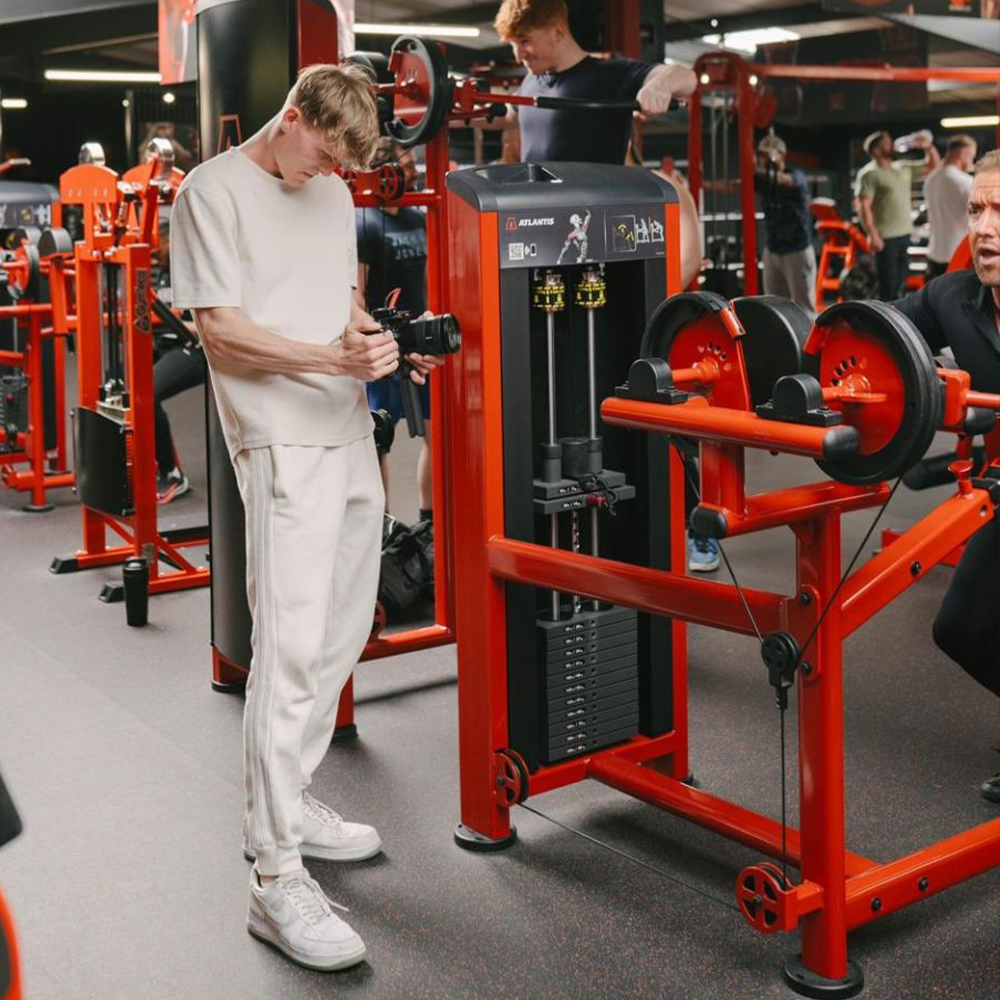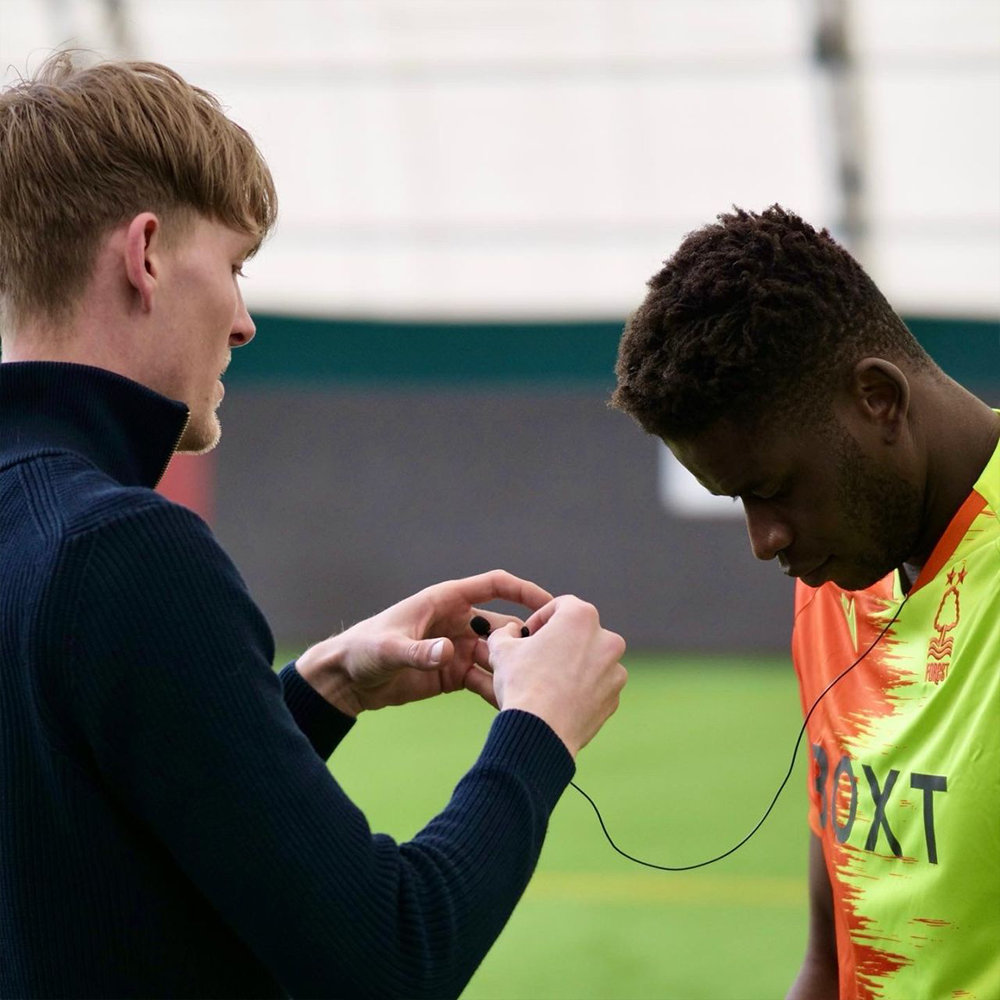
Planning a video shoot sounds quite boring.
And let's be honest, sometimes it is.
But good planning is one of those things that makes the actual creative process much more enjoyable.
Because when you know you've got the important stuff covered, you've got more freedom to experiment.
Start with the story
Before thinking about cameras, lenses or lighting, work out what you're actually trying to say.
What's the beginning?
What's the middle?
Where does the audience need to end up?
What needs to be shown?
What needs to be heard?
What can be left out?
Once you've got that, everything else gets easier.
Build a shot list
I'm a big believer in shot lists.
Not because I want to spend the entire shoot ticking boxes.
Quite the opposite.
A shot list gives you a safety net.
If you've captured the essential material, you can start experimenting.
Try something weird.
Shoot something from a different angle.
Get some candid moments.
Play around.
Without a plan, you can end up spending the entire day trying to remember whether you've actually filmed the important stuff.
Storyboards don't need to be beautiful
I'm not trying to create a masterpiece when I storyboard.
Sometimes it's literally terrible drawings on a piece of paper.
And that's fine.
The point is to get the idea out of your head and into something you can look at.
It helps you spot problems before you're standing on location with a camera.
Plan the technical stuff
This is the less glamorous part.
What cameras?
What lenses?
How many people?
What lighting?
What audio?
Where are we filming?
What happens if it rains?
How long do we have?
Where can we park?
Who needs to be there?
And perhaps most importantly:
Have I actually charged the batteries?
Planning these details doesn't make you less creative.
It gives you more room to be creative.
Leave space for things you didn't plan
This is the important bit.
Don't plan every second of a shoot.
Some of the best footage I've captured has been completely spontaneous.
Someone says something funny.
A subject does something unexpected.
The light suddenly changes.
A moment happens that you couldn't have storyboarded.
You want enough structure to capture the essentials and enough flexibility to capture the stuff you couldn't have predicted.
That's the sweet spot.